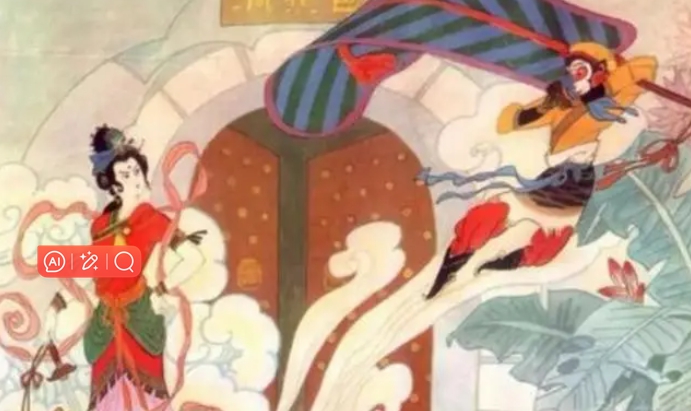
Princess Iron Fan
Introduction
Princess Iron Fan is a significant cultural artifact in the realm of Chinese literature and animation. It originally appeared in the classic Chinese novel Journey to the West, authored by Wu Chengen during the Ming Dynasty (1368-1644). The narrative introduces Princess Iron Fan as an essential character who possesses a magical fan capable of extinguishing the flames of the Flaming Mountains, a pivotal obstacle in the journey of the legendary Buddhist monk Xuan Zang from China to India. The tale highlights the adventures and trials of the Monkey King, Sun Wukong, as he seeks to borrow the fan to facilitate the monk’s pilgrimage.
Historical and Cultural Significance
The character of Princess Iron Fan holds substantial cultural significance due to her representation in Journey to the West, one of the Four Great Classical Novels of Chinese literature. The story is infused with allegorical elements and reflects moral and philosophical aspects intrinsic to Chinese culture. Princess Iron Fan’s role in the novel underscores themes of persistence, cunning, and ingenuity, as the Monkey King employs various strategies to obtain the fan. The depiction of her character also explores the complex dynamics of strength, power, and femininity, offering a window into the societal values and gender roles of the Ming Dynasty.
Adaptations and Influence
The tale of Princess Iron Fan transcended literary boundaries, becoming the basis for the Chinese feature-length animated film, Princess Iron Fan (1941). This film was a groundbreaking achievement for Chinese animation, produced by the Wan brothers, who were pioneers in the field. Released in wartime China, the film featured innovative animation techniques and was influenced by the global success of Disney's Snow White and the Seven Dwarfs. Notably, Princess Iron Fan also inspired Japanese manga artist Osamu Tezuka, known as the "father of manga," to pursue a career in animation, significantly impacting the development of the manga and anime industries in Japan.
Modern Representations
The character and story continue to inspire adaptations and cultural works in contemporary media. Commemorative stamps featuring scenes from Journey to the West, including the Princess Iron Fan story, were issued by China Post to celebrate the rich tapestry of Chinese mythological and literary heritage. These stamps, launched near the Flaming Mountains in Turpan, Xinjiang, aim to promote China's cultural history and unique landscapes.
The influence of Princess Iron Fan and related narratives is further seen in modern Chinese animation films. Moreover, newer Chinese animation works, like Big Fish & Begonia and Da Hufa, demonstrate a renaissance in Chinese animation, echoing the innovative spirit of early films like Princess Iron Fan.
Animation and Cultural Renaissance
The early success of Princess Iron Fan highlights both the accomplishments and challenges faced by the Chinese animation industry over the decades. The industry saw a golden age between the 1940s and 1960s, with acclaimed works produced by the Shanghai Animation Film Studio. However, the industry experienced a decline in subsequent decades, largely due to political and economic shifts.
Recent years have witnessed a resurgence in Chinese animation, attributed to increased government support, technological advancements, and a growing domestic and international audience. This revival reflects a renewed interest in traditional Chinese stories and artistic styles, as animators seek to balance cultural heritage with modern storytelling and technological innovation. Photo Gallery(3 pictures)CategoriesLiteratureTagMythologyChinese Classical LiteratureLiterary FiguresRelatedHistory of Chinese AnimationCatalogue1. Introduction2. Historical and Cultural Significance3. Adaptations and Influence4. Modern Representations5. Animation and Cultural Renaissance- - - []








